Overview

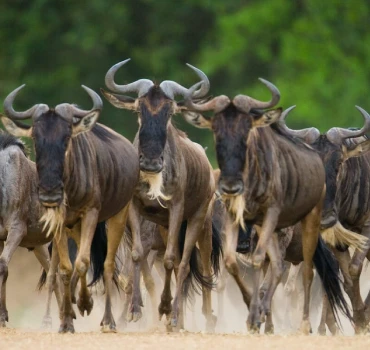
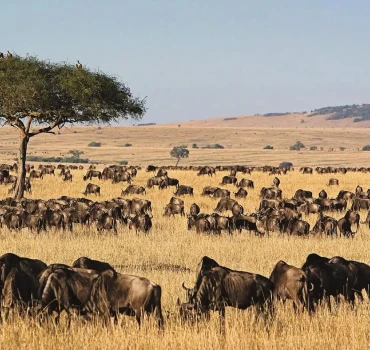
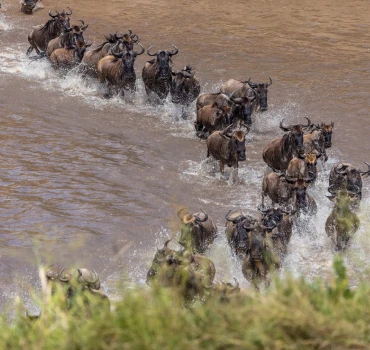
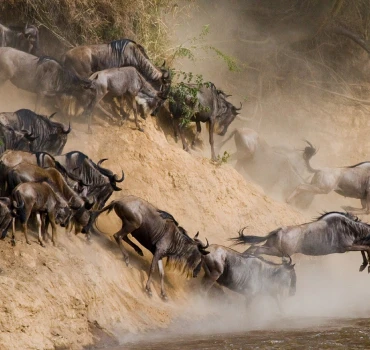
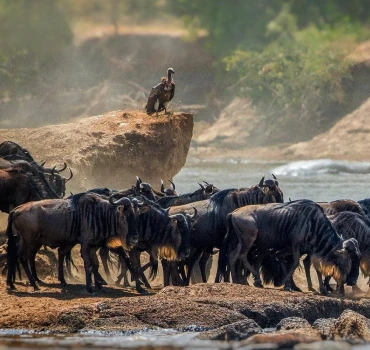
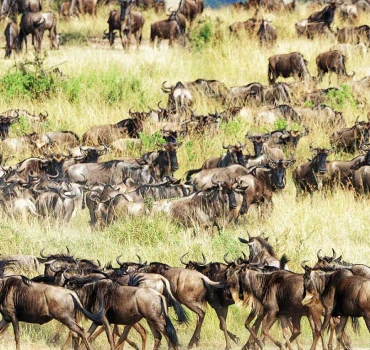
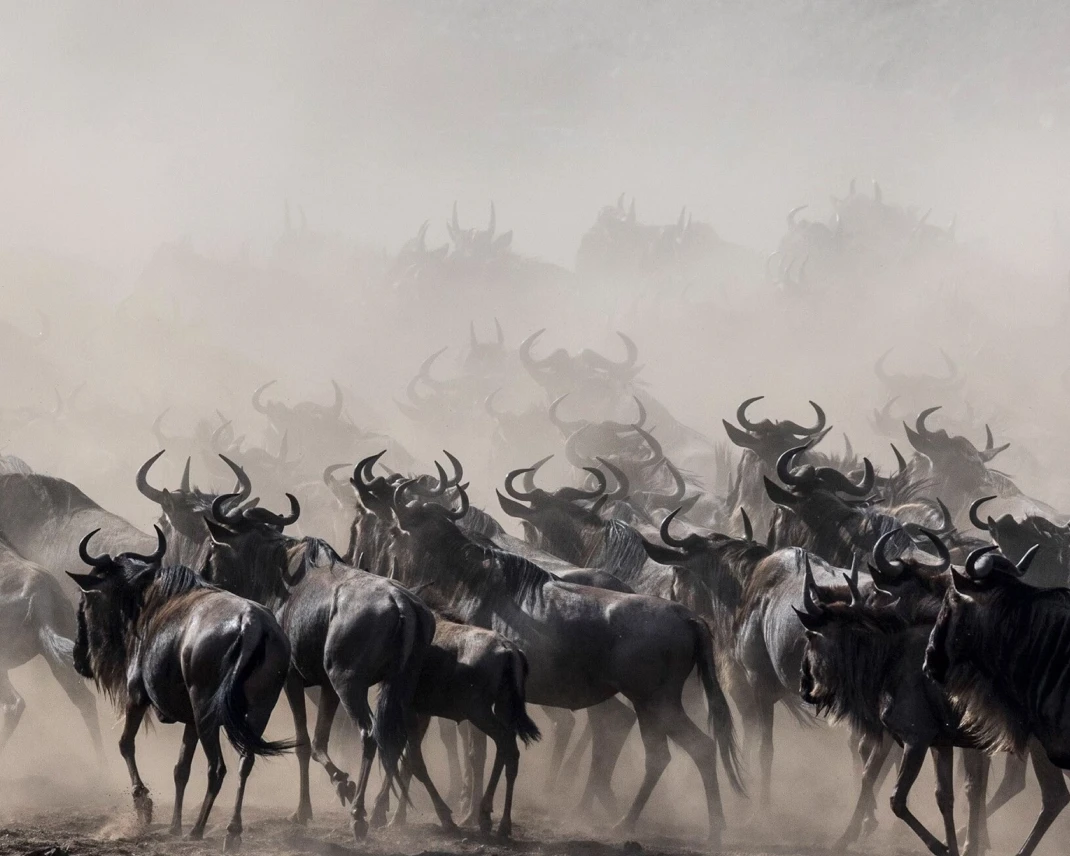
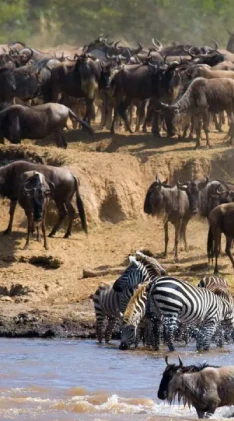
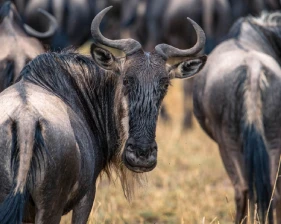
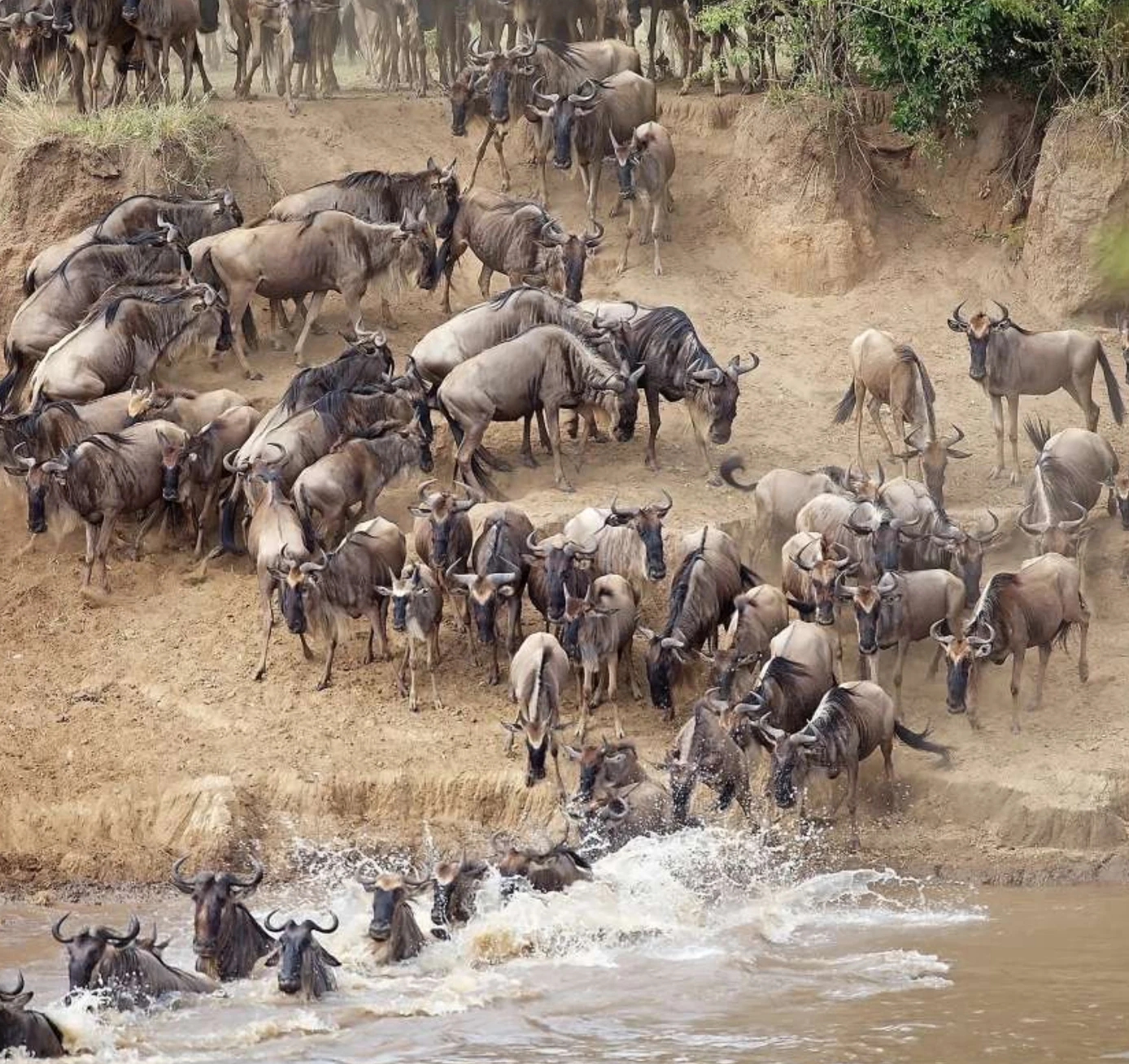
The Great Wildebeest Migration is one of the planet’s most extraordinary natural events. Each year, about 1.5 million wildebeest, joined by zebras and gazelles, move in a vast loop between Tanzania’s Serengeti and Kenya’s Maasai Mara. Guided by rainfall and fresh grazing, the herds travel hundreds of kilometres, facing predators, drought, and perilous river crossings. These crossings, especially at the Mara River, create dramatic scenes of survival. This migration supports entire ecosystems, sustaining predators and enriching grasslands. It occurs year-round, with dramatic river crossings typically happening between July and October. Tourism, research, and conservation efforts closely follow this natural cycle to protect wildlife and local communities.
  • World’s Largest Land Migration
  • Follows Seasonal Rain Patterns
  • Crosses Serengeti Maasai Mara
  • Big Five Wildlife Encounters
Awesome Image
Awesome Image
Awesome Image

TANZANIA

Facts About the Great Wildebeest Migration

Earth’s Largest Migration

The Great Wildebeest Migration is the largest land animal movement on Earth.

Massive Scale

Over 1.5 million wildebeest travel together, forming enormous herds across vast landscapes.

Endless Journey

The migration follows a continuous circular route, rarely stopping as herds search.

River Crossings

Treacherous river crossings force wildebeest to brave strong currents and lurking crocodiles.

Predator-Prey Drama

Lions cheetahs and hyenas relentlessly hunt migrating herds, creating constant tension daily.

Seasonal Cycle

Seasonal rains determine migration timing, guiding herds toward fresh grass and water.

tanzania

Facts About
the Great Wildebeest Migration

Earth’s Largest Migration

The Great Wildebeest Migration is the largest land animal movement on Earth.

Massive Scale

Over 1.5 million wildebeest travel together, forming enormous herds across vast landscapes.

Endless Journey

The migration follows a continuous circular route, rarely stopping as herds search.

River Crossings

Treacherous river crossings force wildebeest to brave strong currents and lurking crocodiles.

Predator-Prey Drama

Lions cheetahs and hyenas relentlessly hunt migrating herds, creating constant tension daily.

Seasonal Cycle

Seasonal rains determine migration timing, guiding herds toward fresh grass and water.
Awesome Image

Best Time to See the Migration

The Best Time to See the Great Wildebeest Migration depends on location and behaviour. From January to March, calving fills the southern Serengeti with newborns and predators. From April to June, herds move north. The most dramatic river crossings occur from July to October in the northern Serengeti and Kenya’s Maasai Mara, though rainfall can shift timing and visitor experiences vary by year slightly annually.

Awesome Image
Stay Close

To Nature in Style

Experience ultimate comfort at Warriors Luxury Tented Lodge, where wildlife encounters meet lavish safari-style accommodations.
Testimonials

Clients Review

Awesome Image

awarded
restaurant

Write a review